

 See My Latest Article on HelloNation
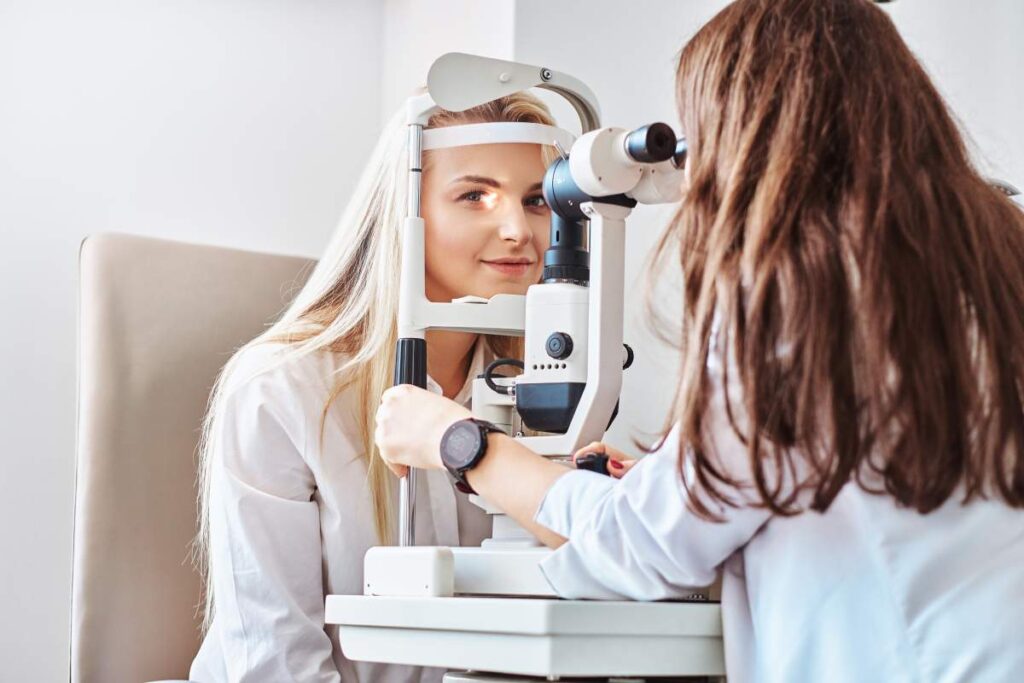
Do Vision Supplements Really Improve Eye Health?
Some vision supplements are promoted as a way to boost or preserve eye health, but scientific evidence is mixed. While select nutrients have shown benefits for specific eye conditions, most people in New Berlin, WI with balanced diets may not experience dramatic changes from vitamin pills alone. Still, supplements can sometimes help certain groups, like those with particular nutritional deficiencies or progressive conditions such as age-related macular degeneration (AMD).
What Nutrients Are Actually Linked to Eye Health?
Research has focused on a handful of vitamins and minerals for their potential impact on vision:
- Vitamin A: Essential for night vision; true deficiency is uncommon in most area households due to diverse food supply.
- Vitamin C and E: Antioxidants that may help neutralize free radicals in eye tissue.
- Zinc: Supports immune function and is present in the retina.
- Lutein and Zeaxanthin: Found in dark leafy greens and eggs; these carotenoids collect in the macula and may help filter harmful light.
Large studies such as the Age-Related Eye Disease Study (AREDS and AREDS2) found that a specific mix of these nutrients can slow progression of moderate-to-severe AMD, but they do not reverse vision loss or cure eye disease. People without AMD, or with only mild symptoms, are unlikely to notice benefits beyond what a healthy diet provides.
Do Supplements Prevent Common Age-Related Vision Issues?
There’s no strong evidence that supplements, on their own, prevent the most common causes of vision changes in middle-aged or older adults, such as presbyopia (the need for reading glasses), cataracts, or mild dry eye. For many in New Berlin, maintaining a well-rounded diet with vegetables, fruits, and healthy fats is usually a better foundation than relying on pills.
Some nutrients may play a role in risk reduction:
- Omega-3 fatty acids may relieve dry eye symptoms for a minority of people, especially those whose diets lack healthy fats.
- No supplement has been proven to prevent cataracts or reduce the need for reading glasses as people age.
Are Vitamin Pills the Same as Getting Nutrients from Food?
Nutrients from whole foods often work together in ways that are difficult to replicate with capsules or tablets. Leafy greens, orange and yellow vegetables, fish, eggs, and nuts naturally provide important vitamins and carotenoids. In the New Berlin area, year-round grocery availability and local produce in summer offer plenty of options to build a nutrient-rich diet.
In certain situations—such as medically restricted diets, food allergies, or diseases that interfere with nutrient absorption—supplements might be reasonable under a healthcare provider’s guidance.
Can Taking Too Many Supplements Cause Harm?
Yes, overuse of some supplements can harm health. Fat-soluble vitamins like A and E can build up in the body, leading to toxicity. High zinc intake may disrupt copper absorption and contribute to gastrointestinal upset. Sticking closely to recommended amounts (usually listed on labels or directed by health professionals) is key.
Vision supplements can also interact with prescription or over-the-counter medications, so reading labels and discussing new supplements with a medical provider is always wise—especially for older adults or those with chronic health conditions.
Should Children or Teens Take Vision Supplements?
For most young people in the area, a typical diet already provides sufficient nutrients for normal vision development. Supplements are rarely necessary for healthy children or teens unless a specific deficiency is diagnosed. Encouraging a variety of colorful fruits and vegetables at meals is usually more effective than adding extra pills.
Is There a Seasonal or Local Factor to Consider?
Seasonal patterns in New Berlin can influence dietary habits. In winter, diets may shift away from fresh produce. This could slightly lower intake of nutrients like vitamin C, lutein, and zeaxanthin when compared to summer months, when farmer’s markets and local gardening provide easier access to leafy greens and berries.
For people who eat less produce in the colder months, focusing on frozen vegetables and citrus fruits can help fill the gap. However, this rarely requires a supplement unless a deficiency is confirmed.
What Are the Most Common Myths About Supplements for Vision?
The city’s residents often encounter marketing claims that overstate pill benefits. Watch for these common misconceptions:
- That vitamins can “restore” lost vision—no supplement can reverse damage from glaucoma, diabetic retinopathy, or severe macular degeneration
- That any single supplement will prevent all major eye diseases
- That “eye health” vitamins are necessary for anyone who uses screens often; research does not support this unless true dietary gaps exist

How Should Residents Make Sense of Vision Supplement Labels?
Supplements labeled for eye health can be confusing. The “AREDS2 formula” is intended specifically for people with moderate to advanced AMD and not for general use. Other products may have untested combinations or use higher-than-needed doses. Area residents should be cautious about vague promises like “supports healthy vision.”
When considering a supplement:
- Compare dosages to those proven effective in large studies
- Check for third-party testing or certification for safety
- Remember that more is not always better
When Is It Reasonable to Discuss Supplements With a Healthcare Provider?
Consider bringing up vision supplements with a provider if:
- You have been diagnosed with moderate-to-severe AMD
- You have a health condition affecting the ability to absorb nutrients
- You are on a restricted diet due to allergies or chronic illness
- You experience sudden, unexplained changes in vision
In most other situations, focusing on varied, nutritious food is likely just as valuable as—or more effective than—reaching for supplements to protect your eyesight.