

 See My Latest Article on HelloNation
If you’re living in New Berlin, WI, and considering scheduling your first eye exam, you might wonder what the process entails. As everyday life in our community means balancing time at work, enjoying outdoor recreation at Malone Park, or catching a youth soccer game, clear vision is key. Regular eye exams are one of the most important aspects of your overall health, and understanding what to expect can make the entire experience smoother and more reassuring.
Why Eye Exams Matter in New Berlin
In a place like New Berlin, where families are busy and life moves fast, eye health can sometimes take a back seat. However, routine eye exams are essential for everyone—students, working professionals, retirees, and children alike. Not only do these checkups help ensure you see well, but they can also catch early signs of conditions that may impact your daily activities, from reading to driving down National Avenue.
How to Prepare for Your Eye Exam
- Write down any vision concerns or symptoms you’ve noticed, such as blurry vision, frequent headaches, or difficulty seeing at night.
- Bring a list of current medications, as some can affect vision.
- If you currently wear glasses or contact lenses, bring them with you to your appointment.
- Know your family’s eye health history, as conditions like glaucoma or macular degeneration can run in families.
This preparation makes your visit more productive and helps your optometrist better understand your needs.
What to Expect on Arrival
When you arrive at your local New Berlin optometry clinic, you’ll be greeted by friendly staff. After checking in, you’ll fill out a medical history form, which helps your doctor learn more about your overall health, lifestyle, and any vision concerns. In a community-oriented place like New Berlin, you’ll likely notice that clinics pride themselves on personalized, patient-focused service.
Step-by-Step: What Happens During the Eye Exam
1. Preliminary Tests
Before you see the doctor, a technician or optometric assistant may perform a few quick screenings, such as:
- Measuring your vision with an autorefractor.
- Testing your eye pressure (a quick puff of air test) to screen for glaucoma.
- Checking your depth perception and peripheral vision.
2. Visual Acuity Test
The next step involves reading letters on a chart across the room. This is called a visual acuity test and helps measure how well you see at different distances. You’ve likely seen this “big E” chart in movies or TV shows—a standard part of any eye exam.
3. Refraction Assessment
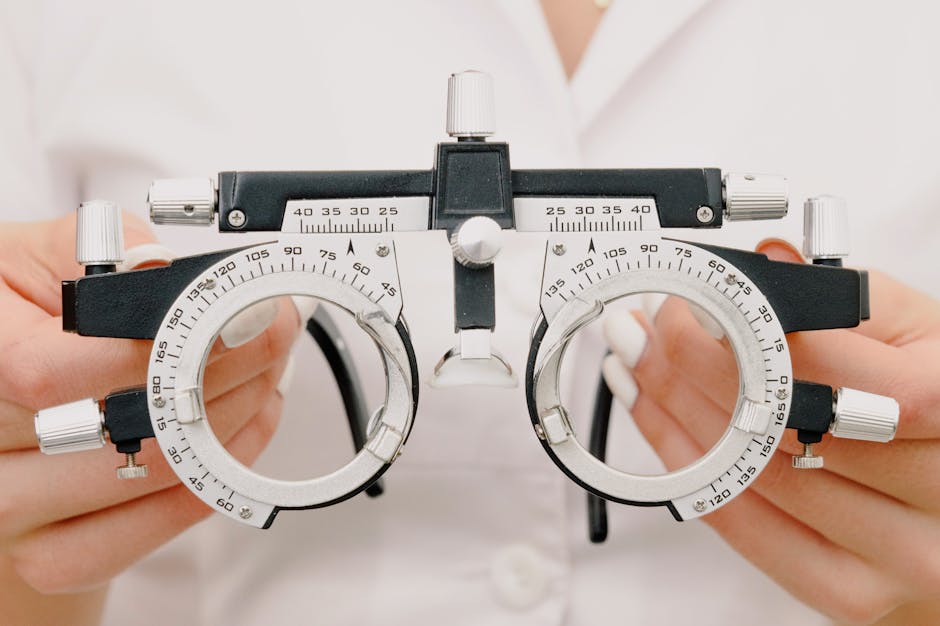
Your optometrist will have you look through a phoropter, a device with various lenses, and ask which lenses make the letters clearer or blurrier. This process determines your exact prescription for glasses or contact lenses, tailored to your lifestyle—whether you’re coaching little league or working at a local New Berlin business.
4. Eye Health Evaluation
Using a bright light and magnifying lens, your doctor will evaluate the structures inside your eyes—checking for signs of common conditions like cataracts, glaucoma, or macular degeneration. They may also use drops to dilate your pupils for a more thorough look at the back of your eyes. While dilated vision can be blurry for a few hours, it’s crucial for catching issues early, especially for those who spend time outdoors or drive frequently.
5. Discussion and Recommendations
Finally, your optometrist will review your results, answer any questions, and discuss next steps. You might:
- Receive a new prescription for glasses or contacts based on your needs.
- Get tips on managing eye strain, especially if you spend long hours on screens (common for New Berlin’s remote and office workers).
- Learn about protection from UV rays if you’re often outside at places like Valley View Park.
Special Considerations for Children and Seniors
For parents in New Berlin, pediatric eye exams are vital. Even before school age, regular eye checks ensure kids have the visual skills needed for learning and play. Seniors, meanwhile, benefit from exams that can detect age-related changes early.
Common Questions New Berlin Residents Ask About Eye Exams
*How long does an eye exam take?*
Typically, expect about 30 to 60 minutes, depending on your specific needs and whether your pupils are dilated.
*How often should I schedule an eye exam?*
For adults with no eye problems, every 1-2 years is typical. Children and seniors, or anyone with specific concerns, may require more frequent visits.
*Is an eye exam uncomfortable?*
Most tests are quick and painless. The most notable sensation is the puff of air for eye pressure testing. Dilation drops can make your vision blurry and sensitive to light for a few hours, so bring sunglasses and avoid driving if possible.
*Will insurance cover my exam?*
Many vision insurance plans commonly used in New Berlin include annual comprehensive eye exams. Double-check coverage with your provider or clinic before the visit.
Embracing a Clearer New Berlin
With so many amenities, parks, and bustling family life, having healthy, clear vision allows you to enjoy everything New Berlin offers—whether you’re hiking the Greenway Trail or simply reading a good book at home. Scheduling a regular eye exam is a simple, proactive step that pays dividends for your health and quality of life.
If it’s been a while since your last visit, or you’ve been putting off that exam, consider this your reminder. Most locals find the process straightforward—and many are surprised by how much they learn about their eyes and overall health.
Ready for Your Next Steps?
Your eyes are your window to the world, and regular exams are the best way to keep your vision sharp. Prepare by jotting down your questions, grab your glasses, and know that your local New Berlin optometrist is ready to help you see—and live—your very best.